
Understanding the psychological triggers behind gambling behavior
The allure of risk and reward
The excitement of gambling often stems from the inherent risk versus reward dynamic. Many players are drawn to the potential for large payouts, which can trigger a rush of adrenaline and a sense of euphoria. This thrill is not just about the financial stakes; it also taps into deeper psychological needs, such as the desire for achievement and the excitement of taking risks. In this context, Casiny Casino Registration offers a structured way for new players to embrace those challenges. This interplay between risk and reward can create a powerful motivator, pushing individuals to engage in gambling behaviors repeatedly.

The anticipation that comes with gambling can also enhance the experience. Players often find themselves captivated by the possibilities each bet holds, leading to a heightened state of arousal. This anticipation can be intoxicating, leading individuals to chase after the next big win. The cycle of excitement, disappointment, and the potential for a future reward can create a feedback loop that reinforces gambling behavior, making it increasingly difficult for some to resist the urge to play.
Moreover, the psychological concept of “variable rewards” plays a crucial role in gambling behavior. Unlike fixed rewards, variable rewards are unpredictable, which can lead to higher levels of excitement and engagement. When players experience a win sporadically, it creates a sense of hope and encourages them to keep playing, often leading to problematic gambling patterns. Understanding this dynamic can shed light on why many individuals struggle with controlling their gambling habits.
The influence of social factors
Social influences significantly affect gambling behavior, as the presence of peers can heighten the thrill of the activity. Many people are introduced to gambling through friends or family, often in social settings such as casinos or parties. This shared experience can normalize gambling and make it more appealing. The camaraderie built through collective experiences can create a sense of belonging, further encouraging individuals to engage in gambling.
Additionally, peer pressure can have a profound impact. When friends or family are enthusiastic about gambling, individuals may feel compelled to participate to fit in or avoid feeling left out. The excitement shared among a group can amplify individual desires to gamble, making it easy to lose sight of personal limits and responsible gambling practices. This social aspect of gambling can often blur the lines between casual play and more serious behaviors that could lead to addiction.
Another social factor is the portrayal of gambling in media and entertainment. Movies, television shows, and advertisements often glamorize gambling, depicting it as an adventure or a pathway to wealth. This representation can create unrealistic expectations about gambling outcomes, leading individuals to underestimate the risks involved. Understanding how these social factors influence gambling behavior is essential for promoting responsible gaming and awareness of potential pitfalls.
The role of cognitive biases
Cognitive biases significantly contribute to gambling behavior, impacting how individuals perceive risk and reward. One prevalent bias is the illusion of control, where gamblers believe they can influence the outcome of games of chance. This belief can lead to overconfidence and a disregard for the inherent randomness of gambling activities, resulting in repeated betting even after losses. Recognizing this bias is vital for understanding why many gamblers struggle to stop despite negative consequences.
Another cognitive bias is the gambler’s fallacy, which is the belief that past events can influence future outcomes. For example, a player might believe that after a series of losses, they are “due” for a win. This type of thinking can perpetuate a cycle of gambling, as individuals continue to play in hopes that luck will change. By recognizing these cognitive biases, individuals can better understand their gambling behavior and make more informed decisions.
Furthermore, confirmation bias plays a role, where individuals tend to focus on information that supports their beliefs about gambling. Gamblers often remember their wins while discounting losses, reinforcing the idea that they can succeed. This selective memory can encourage continued play and increase the likelihood of developing problematic gambling habits. Awareness of these cognitive biases is essential for promoting healthier attitudes toward gambling.
Emotional motivations behind gambling
Emotions play a significant role in gambling behavior, serving as both triggers and consequences. For many, gambling is a way to escape from stress or negative feelings. The thrill of placing a bet can temporarily alleviate anxiety, depression, or feelings of loneliness. However, using gambling as a coping mechanism can quickly lead to dependency, as individuals may increasingly rely on it for emotional relief rather than addressing underlying issues.
Additionally, the emotional highs and lows associated with gambling can create a cycle of behavior that is difficult to break. Winning can evoke feelings of joy and excitement, while losses may lead to frustration or despair. This emotional rollercoaster can encourage individuals to keep gambling in pursuit of that next high, leading to a pattern of chasing losses or seeking redemption. Understanding these emotional triggers can help individuals recognize when their gambling is driven by feelings rather than rational decision-making.
Moreover, the social dynamics of gambling can amplify emotional motivations. Celebrating wins with friends can foster a sense of belonging, while losing in front of others can lead to embarrassment. These social emotional responses can further entrench gambling behavior, as individuals navigate both personal emotions and the perceptions of those around them. By addressing emotional motivations, individuals can develop healthier coping strategies and avoid the pitfalls associated with gambling.
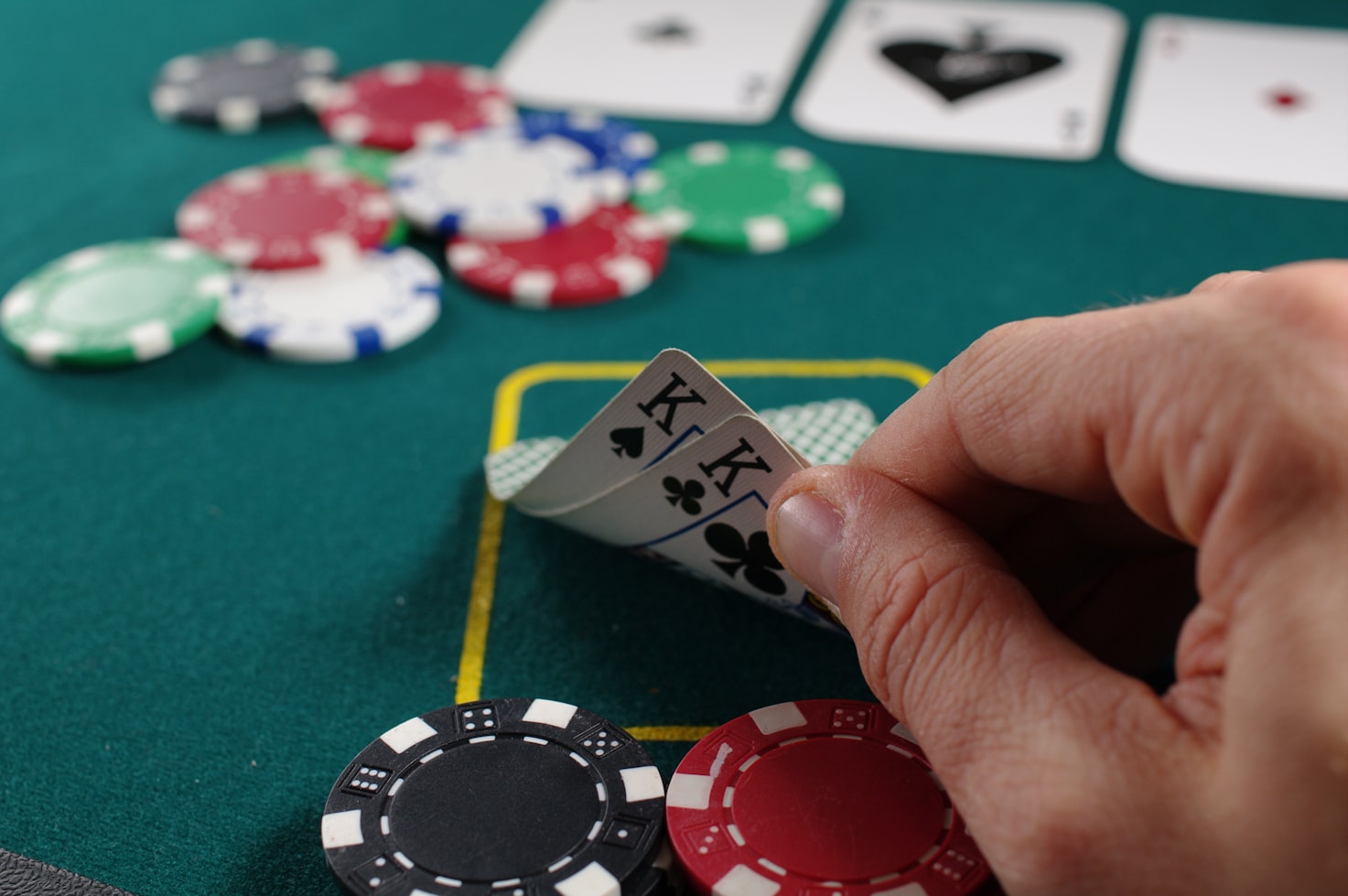
Casiny Casino: Promoting responsible gambling
Casiny Casino recognizes the complexity of gambling behavior and is committed to promoting responsible gaming. With a focus on creating a safe and engaging environment, Casiny provides resources to help players manage their gambling habits. The site offers tools for setting limits, ensuring players can enjoy the thrill of gambling while maintaining control over their activities. This emphasis on responsible gambling reflects a growing recognition of the need to support players in making informed choices.
The streamlined registration process at Casiny is designed to facilitate a positive experience for new users, empowering them to engage safely with the platform. By offering clear guidance on identity verification and bonus terms, Casiny aims to foster transparency and trust, which are vital for responsible gaming. Players can explore a variety of popular casino games without feeling overwhelmed, enabling them to enjoy gaming responsibly.
Ultimately, Casiny Casino prioritizes player safety and well-being. The site emphasizes the importance of understanding one’s gambling behaviors and provides educational resources to help players make better choices. By promoting responsible gaming practices, Casiny strives to create a more positive gambling environment, helping individuals enjoy the excitement of gaming without compromising their financial and emotional well-being.